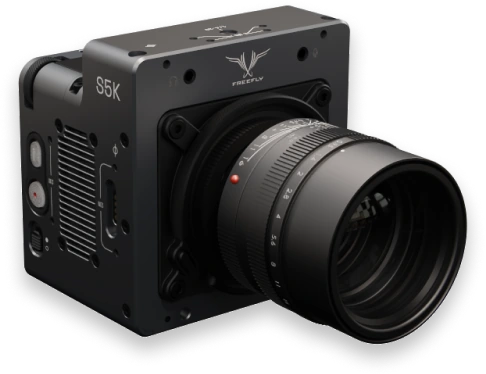
Proposed Ember S5K launch campaign
What happens
between frames?
A ball hits the table, flattens for an instant and rebounds. At a conference, I’d let visitors make that moment happen themselves, then find it on the monitor. It gives a camera crew and a test engineer a reason to stop at the same booth.
The conference display
The wall has one job from across the aisle. At the counter the visitor gets a ball, a repeatable drop and a specific frame to find.
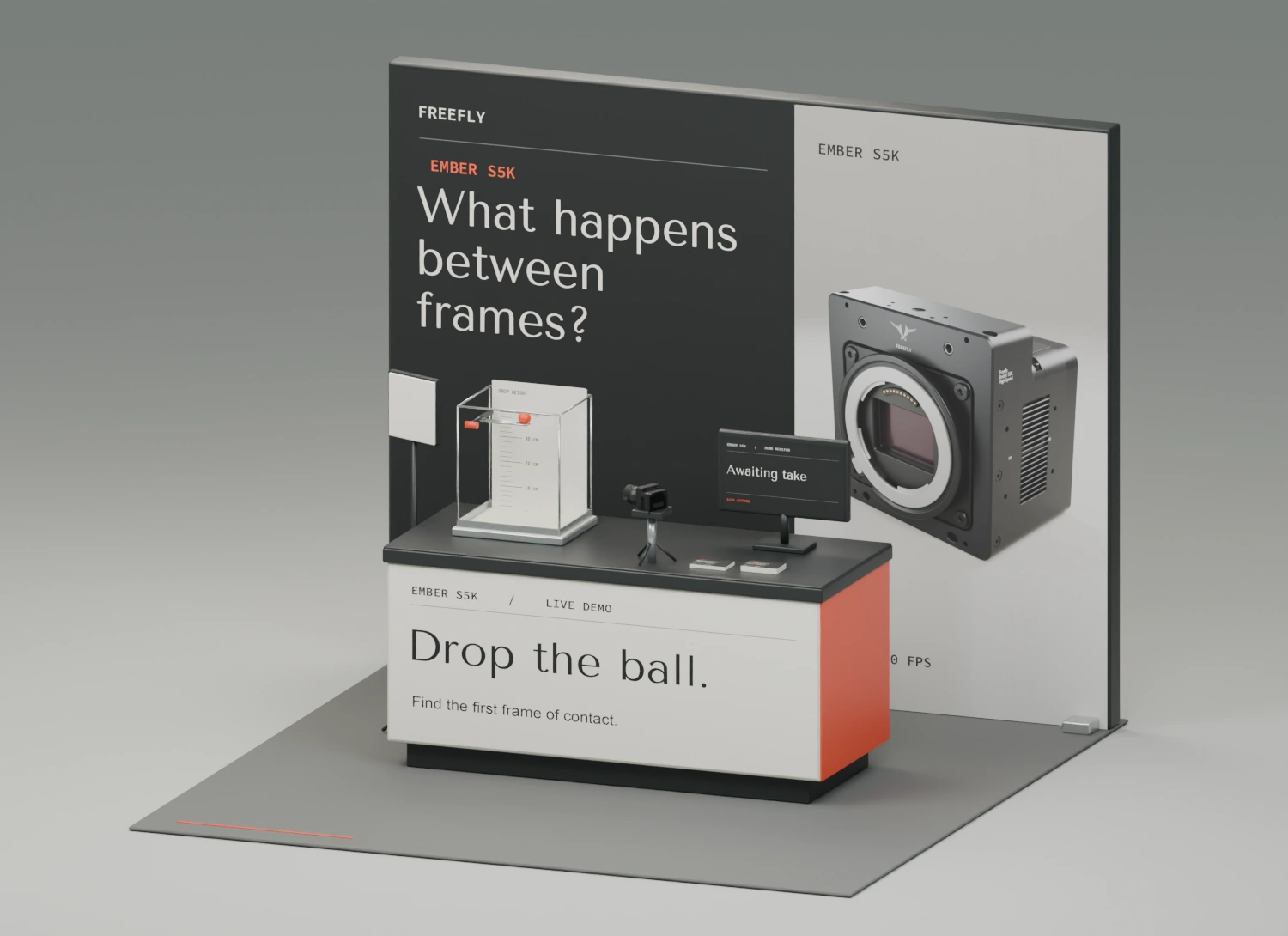
From the aisle
“What happens between frames?” The image on the ten-foot wall identifies the camera. The headline stays clear of the people gathered around the counter.
At the counter
“Drop the ball. Find the first frame of contact.” The visitor releases it from the 40 cm mark. The operator records the drop, then steps through the replay with them.
After the demo
Ask what the visitor needs to see in their own work. A crew might want the frame that sells an impact. An engineer might want the instant deformation begins.
From inbox to booth
The subject line speaks to a familiar frustration on set. The invitation gives the reader a ball to drop. The landing page lets them compare two recording modes before they visit.
Bring the shot you keep missing.
|
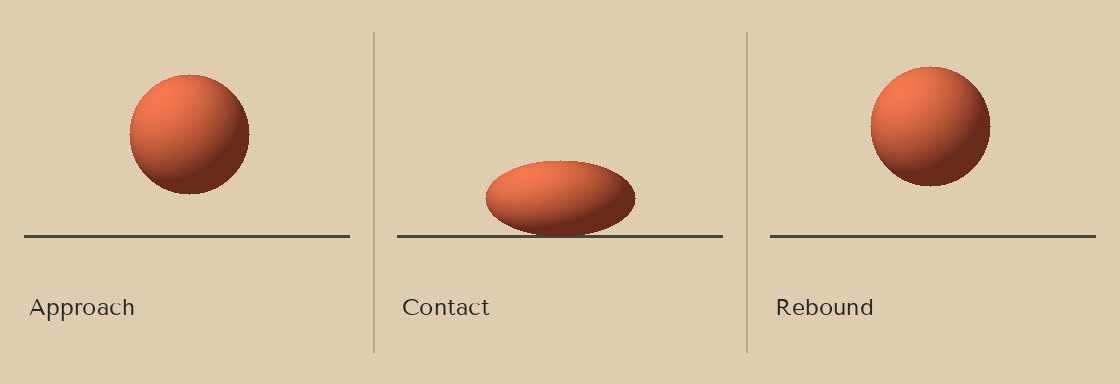
The first frame of contact.
How much can the camera see in five milliseconds? Switch between 5K and 4K to compare the time between frames.
Explore the landing page ↗Post-show email
Which frame did you stop on?
At the booth, we looked at the same bounce for different reasons. Some of you stopped on first contact. Others chose the moment the ball changed shape. Reply with the subject, lighting and shot you have in mind. We’ll pick a starting point for your own test.
Production notes
Independent campaign study. Art direction by Alex Witek. Freefly designed the camera and published the body CAD. The detachable L-mount exterior was reconstructed from Freefly’s product photographs. The conference display, copy and posts are proposed campaign work.
Read the product-tour notes
- Ember S5K
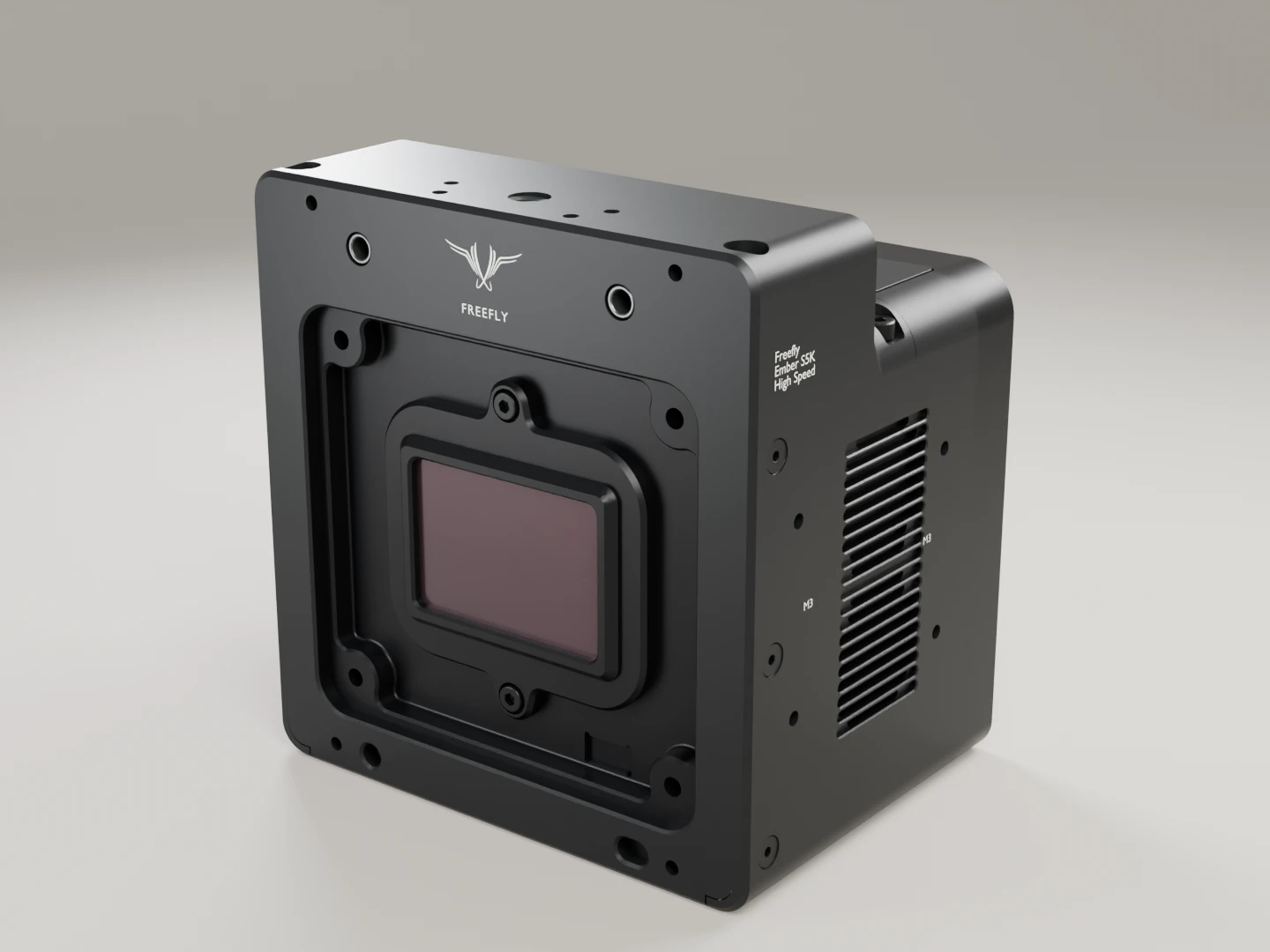
- Freefly’s 100 mm-wide camera body houses a Super 35 global-shutter sensor.
- Lens interface
- The L-mount lifts away to reveal the optical window and the face it attaches to.
- Mounting and controls
- The record button and ventilation grille sit on the control side. The body provides ¼–20 and M3 mounting points.
- Rear connections
- HDMI monitoring and USB-C control and offload are grouped above the rear heat sink.
- Assembled camera
- The L-mount returns to the body. Freefly specifies 5K recording at 600 fps and 4K at 800 fps.
Social release
A field note for LinkedIn, a timing study for Instagram and a vertical invitation for Stories.
Ember on X
Three proposed posts for the same drop. The invitation gives visitors a job at the booth. The follow-ups give camera crews and test engineers a reason to reply.
Booth invitation
Drop a ball. Freeze the first frame where it flattens against the table. At the Ember S5K booth, you make the drop and choose the frame. What would you try on the second take?
From the test bench
Shoot at 5K and 600 fps. The next frame starts about 1.67 milliseconds later. When rubber hits the table, that interval is the difference between seeing the ball round and seeing it flatten.
A question for the crew
Same bounce, two briefs. A director wants the frame that sells the impact. A test engineer wants the first visible deformation. Which frame would you keep for your brief, and why?